

For many small businesses, the sale begins on Instagram.
A customer sees a product, likes what they see and sends a DM. The seller responds with the price. The customer says, “I’ll take it.”
At this point, the sale should be almost complete.
But then comes the payment process.
It Started With a Simple Instagram Sale
Consider a social seller running a growing fashion business through Instagram. Her page is active, her products are getting attention and customers regularly reach out through direct messages.
One afternoon, a customer sees a dress she has posted and sends a message asking for the price. The seller responds almost immediately. The customer likes the price and says she wants to buy.
This is the moment every seller wants.
The customer is interested. The product has been chosen. The price has been accepted.
The only thing left is payment.
The seller sends her bank details and asks the customer to transfer the money. The customer leaves Instagram, opens her banking app, enters the account details and makes the transfer.
Then the seller waits, The customer sends a screenshot, The seller checks her account, The payment eventually comes through. The sale is complete, but the journey was far from seamless.
The Problem Wasn't the Customer
Nothing went wrong with the product.
The customer wasn't necessarily indecisive. The seller wasn't necessarily slow to respond. There wasn't a problem with the price.
The friction came from what happened between the decision to buy and the completion of payment.
For a single transaction, this may seem insignificant. But imagine repeating the same process dozens of times every week.
Every customer needs account details. Every payment requires some form of confirmation. Every seller has to keep track of who has paid and who hasn't. Customers may ask for the account number again. Some may forget to send proof of payment. Others may get distracted before completing the transfer.
The more sales a business makes, the more noticeable this friction becomes.
The problem isn't always that customers don't want to buy.
Sometimes, the process simply makes buying harder than it needs to be.

When Payment Becomes Part of the Sales Problem
For social sellers, the buying journey often starts in a conversational environment.
A customer discovers a product through a post or story. They ask a question. They discuss the price. They decide what they want.
But the moment payment begins, the experience can suddenly become disconnected.
The customer moves from the seller's page to a banking app. The seller moves from the conversation to manually checking transactions. Then both sides have to reconnect to confirm that the payment has been completed.
That creates several opportunities for friction.
A customer can get distracted. An account number can be entered incorrectly. A transfer can take longer than expected. A screenshot can be missed. A seller can lose track of which customer has paid.
None of these problems necessarily comes from a lack of interest.They come from a payment process that isn't designed around the way the business actually sells.
The Cost of Asking for Screenshots
The screenshot has become a familiar part of social commerce.
A customer transfers money and sends a screenshot. The seller checks the screenshot and then checks the account. If the payment isn't immediately visible, another conversation begins.
“Has it entered?”
“Please give it a few minutes.”
“Can you resend the screenshot?”
The screenshot itself isn't the problem. The problem is what it represents: an additional step created because the payment process isn't seamlessly connected to the sale.
For a business processing a few transactions, this might be manageable.
For a growing business, it becomes operational work.
And operational work takes time.
A Better Way to Close the Sale
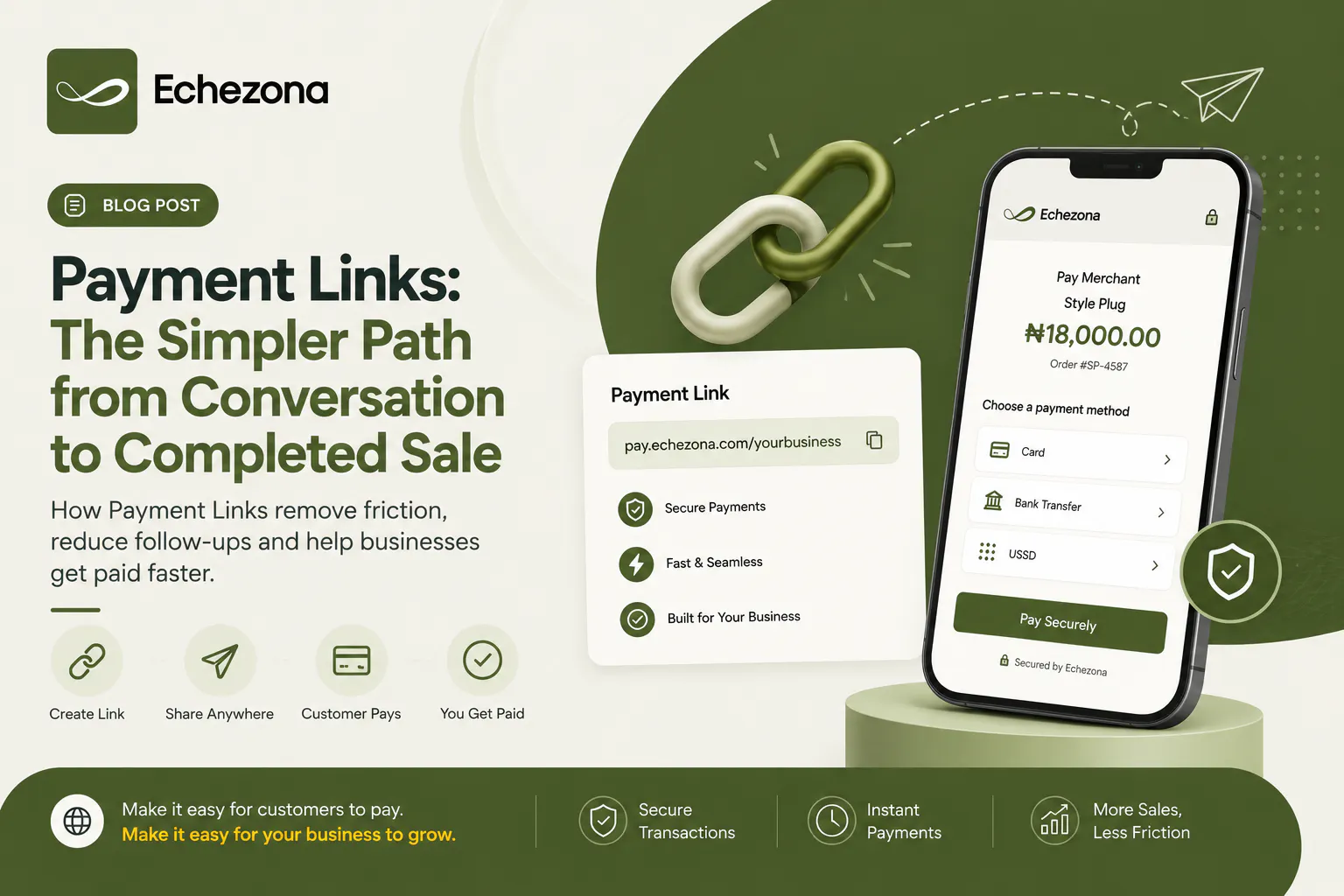
This is where Payment Links change the experience.
Instead of sending bank details and managing payment through a series of messages, the seller can create a Payment Link and share it with the customer.
The customer receives a direct path to payment rather than having to manually enter account details.
The seller doesn't need to turn every transaction into a conversation about how to pay.
The Bigger Lesson for Social Sellers
The Instagram sale that almost didn't happen isn't really a story about Instagram.
It is a story about what happens when the payment experience doesn't keep up with the sales experience.
Businesses have invested heavily in attracting customers. They create better content, improve their product photography, respond faster to DMs and build stronger brands.
But the final step is often overlooked.
Payment is part of the customer experience.
If the buying journey is easy until the customer is ready to pay, then payment becomes the point where unnecessary friction enters the experience.
That is an opportunity businesses can address.
Payment Should Move at the Speed of the Sale
Customers don't necessarily want a complicated payment experience.
They want to buy what they have already decided they want.
Businesses shouldn't have to spend their time repeatedly sending account details, requesting screenshots and manually chasing payment confirmations when there is a simpler way to create a path to payment.
With Echezona Payment Links, businesses can create a payment link and share it directly with customers, giving them a simpler route from interest to payment.
Because when a customer says, “I'll take it,” the next step shouldn't be another conversation about how to pay.
It should be payment.

